





Why CRM Tools Are Essential for Driving Sales Growth in Georgia’s Thriving Market
In today’s competitive landscape, businesses everywhere are vying for a share of a rapidly growing and dynamic market. Georgia, with its thriving economy and rapidly expanding industries, offers immense potential for companies looking to scale their operations. One of the most critical elements in leveraging this potential is ensuring that businesses are equipped with the right tools for managing customer relationships, driving sales, and improving overall business efficiency. This is where Customer Relationship Management (CRM) tools come into play.
CRM tools have become an essential part of the sales process for businesses in Georgia, helping companies build and maintain strong customer relationships, streamline their sales processes, and enhance overall business performance. In this article, we will explore why CRM tools are vital for driving sales growth in Georgia’s thriving market and how businesses can harness their power to stay ahead of the competition.
Understanding CRM Tools and Their Importance
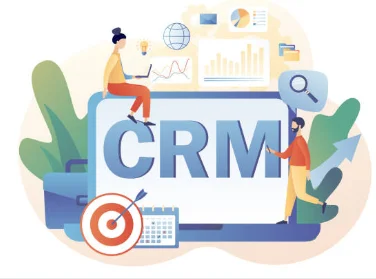
Customer Relationship Management (CRM) tools are software solutions designed to help businesses manage and analyze customer interactions, streamline sales processes, and ultimately enhance customer satisfaction and retention. CRM tools centralize customer information and allow businesses to track and manage interactions with clients, prospects, and partners. They offer a variety of features, including contact management, lead tracking, sales forecasting, email marketing, and performance analytics.
For businesses in Georgia, CRM tools are a game-changer, enabling them to effectively engage with customers, nurture leads, and convert prospects into loyal customers. By having access to a single platform that organizes customer data, businesses can make informed decisions that directly impact sales growth.
Why CRM Tools Matter in Georgia’s Market
Georgia is home to a diverse range of industries, including technology, healthcare, manufacturing, real estate, and more. Each of these sectors is experiencing significant growth, which presents both opportunities and challenges for businesses. With so many competitors vying for attention, businesses need to find effective ways to differentiate themselves and ensure that they are reaching the right customers at the right time.
CRM tools play a crucial role in helping businesses navigate Georgia’s thriving market by providing the following benefits:
1. Improved Customer Experience
One of the most important factors driving sales growth is a positive customer experience. In today’s digital age, customers expect businesses to understand their needs and provide personalized services. CRM tools allow businesses to track customer interactions, preferences, and purchase history, enabling them to tailor their offerings to meet individual needs. By delivering a more personalized experience, businesses can build stronger relationships with customers, which leads to increased loyalty and repeat sales.
2. Streamlined Sales Process
A smooth and efficient sales process is critical for driving sales growth. CRM tools help streamline this process by automating routine tasks such as lead nurturing, follow-ups, and data entry. This allows sales teams to focus on more strategic tasks, such as building relationships and closing deals. CRM tools also provide sales forecasting and pipeline management features that help businesses identify potential opportunities and make data-driven decisions.
3. Enhanced Collaboration and Communication
In many organizations, sales and marketing teams often work in silos, which can lead to miscommunication and missed opportunities. CRM tools foster better collaboration and communication between teams by centralizing customer data and interactions. Sales, marketing, and customer support teams can access the same information, ensuring that everyone is on the same page and working toward common goals. This improved collaboration leads to better customer experiences and higher sales conversion rates.
4. Better Lead Management
Lead generation is an ongoing challenge for businesses, particularly in Georgia’s competitive market. CRM tools help businesses capture, track, and nurture leads more effectively. By organizing leads based on their behaviors, interests, and stage in the sales funnel, businesses can focus their efforts on high-quality prospects and improve their chances of closing deals. Additionally, CRM tools allow businesses to track the effectiveness of their lead-generation efforts, enabling them to optimize their strategies over time.
5. Data-Driven Insights
Sales teams rely heavily on data to make informed decisions about potential customers, sales opportunities, and overall business performance. CRM tools provide businesses with valuable insights into customer behaviors, market trends, and sales performance. By analyzing this data, businesses can identify areas for improvement, adjust their strategies, and uncover new growth opportunities. In Georgia’s fast-paced market, having access to real-time data is crucial for staying ahead of the competition.
The Role of CRM Tools in Georgia’s Growing Industries
Georgia’s market is diverse, and businesses across various industries can benefit from CRM tools in different ways. Let’s take a look at how CRM tools are driving sales growth in some of Georgia’s key sectors.
Technology and Software Companies
Georgia’s technology sector is booming, with cities like Atlanta emerging as tech hubs. As software companies continue to expand, CRM tools have become essential for managing customer relationships, nurturing leads, and scaling sales efforts. These tools help technology companies understand their customers’ needs, track product usage, and provide ongoing support. By integrating CRM with marketing automation and customer support platforms, technology companies can offer a seamless customer experience that drives growth.
Real Estate
The real estate industry in Georgia is also thriving, with a growing demand for both residential and commercial properties. Real estate professionals can use CRM tools to manage leads, schedule follow-ups, and provide personalized services to clients. By tracking customer preferences, transaction history, and communication history, real estate agents can offer targeted property recommendations, improving their chances of closing sales.
Healthcare
Georgia’s healthcare sector is rapidly expanding, with new medical facilities, hospitals, and practices opening throughout the state. CRM tools can help healthcare providers manage patient relationships, track appointments, and streamline communications between medical staff and patients. By providing a more personalized healthcare experience, providers can build trust with patients, improve retention rates, and drive growth.
Manufacturing
As Georgia becomes a hub for manufacturing, companies in this sector can benefit from CRM tools by streamlining their sales processes and improving customer relationships. By tracking customer orders, managing supplier interactions, and forecasting demand, manufacturing companies can optimize their sales and inventory processes. CRM tools also help identify cross-selling and upselling opportunities, increasing revenue and boosting growth.
How to Maximize the Impact of CRM Tools
While CRM tools are essential for driving sales growth in Georgia’s thriving market, their success depends on how businesses implement and utilize them. Here are some strategies to maximize the impact of CRM tools:
1. Choose the Right CRM Tool
There are many CRM tools available on the market, each with its own features and capabilities. Businesses in Georgia should carefully evaluate their needs and choose a CRM solution that aligns with their goals. Factors such as ease of use, integration with other software, scalability, and customer support should be considered when selecting a CRM tool.
2. Train Your Team
A CRM tool is only effective if your team knows how to use it properly. Businesses should invest in training their sales, marketing, and customer service teams to ensure that they can make the most of the CRM tool. Proper training will lead to more efficient use of the system, better data management, and improved customer interactions.
3. Continuously Monitor and Optimize
CRM tools provide businesses with valuable insights into customer behavior and sales performance. To drive continuous growth, businesses should regularly monitor their CRM data, analyze trends, and adjust their strategies accordingly. By optimizing their sales and marketing efforts based on CRM insights, businesses can stay ahead of competitors and ensure long-term success.
Conclusion
In Georgia’s fast-paced and growing market, CRM tools are an essential resource for businesses looking to drive sales growth and improve overall performance. By centralizing customer data, streamlining sales processes, and enhancing communication and collaboration, CRM tools empower businesses to build stronger relationships with customers, increase sales conversion rates, and stay ahead of the competition.
As Georgia’s economy continues to thrive and industries grow, businesses must adapt and leverage the power of CRM tools to remain competitive. With the right CRM system in place and a clear strategy for utilizing its features, businesses in Georgia can unlock new opportunities, improve efficiency, and fuel sales growth for years to come.